
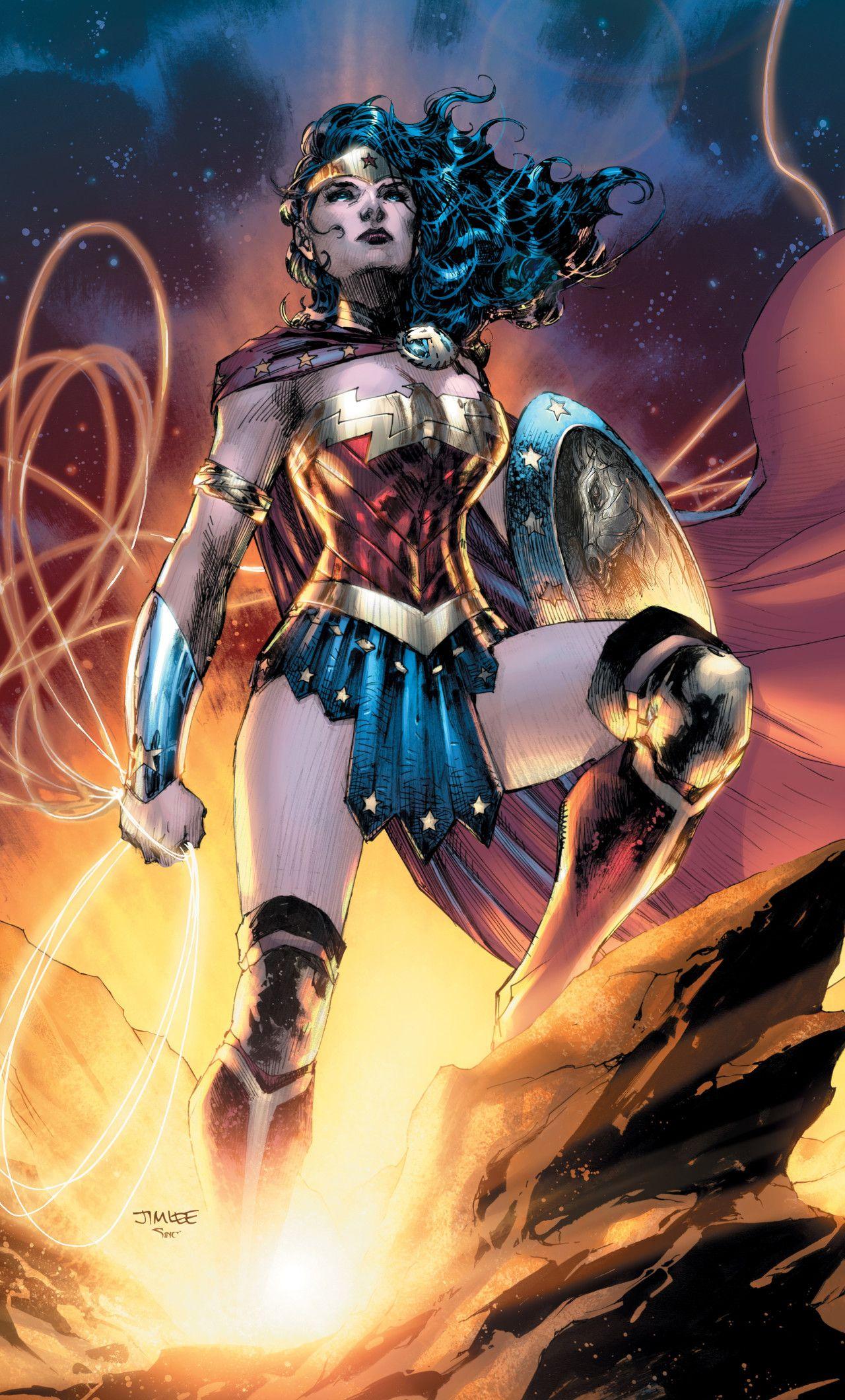
The world of Wonder Woman, one of the most iconic and enduring superheroes, has captivated fans for decades. With her powerful presence, indomitable spirit, and unwavering commitment to justice, Wonder Woman has inspired countless comic book enthusiasts. Today, we delve into the fantastical realm of the Amazonian warrior, exploring seven captivating comic fantasies that have left an indelible mark on the character's rich mythology.
The Golden Age of Wonder Woman
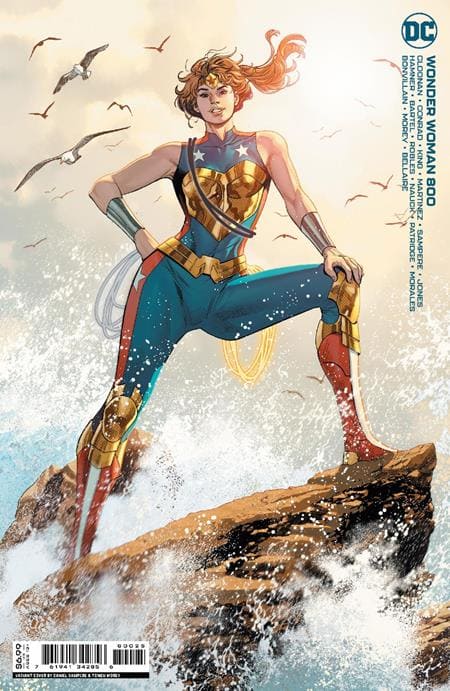
Our journey begins with the Golden Age of comics, a period that witnessed the birth of Wonder Woman as we know her today. Created by psychologist William Moulton Marston and first appearing in All Star Comics #8 in 1941, Wonder Woman made her debut as a powerful symbol of female empowerment. This era, spanning from the 1940s to the early 1950s, laid the foundation for the character's enduring appeal.
In these early comics, Wonder Woman's origins were rooted in Greek mythology. Princess Diana, as she was known, was born on the island of Themyscira, a hidden paradise inhabited by Amazonian warriors. Raised in a society of strong, independent women, Diana embodied the ideals of strength, courage, and compassion. Her iconic costume, featuring the star-spangled bodice and flowing cape, became an instantly recognizable symbol of female heroism.
During the Golden Age, Wonder Woman's adventures were filled with action, adventure, and a distinct sense of fantasy. She battled Nazi spies, fought alongside her fellow Amazons, and showcased her formidable skills in combat. Her lasso of truth, a gift from the gods, became her signature weapon, ensuring that justice always prevailed. The Golden Age Wonder Woman comics offered a thrilling blend of mythology, feminism, and pulp adventure, setting the stage for the character's enduring legacy.
Some key Golden Age storylines include:
- Wonder Woman #1: Introducing the iconic character and her Amazonian origins.
- Wonder Woman #28: A landmark issue exploring the character's origins and her connection to the Greek gods.
- All Star Comics #8: The issue that started it all, showcasing Wonder Woman's first appearance.
Golden Age Wonder Woman, the birth of an icon, comic fantasy, Amazonian warrior, female empowerment, William Moulton Marston, Greek mythology, lasso of truth, All Star Comics #8, Wonder Woman #1, Wonder Woman #28.
The Silver Age: Wonder Woman's Evolution
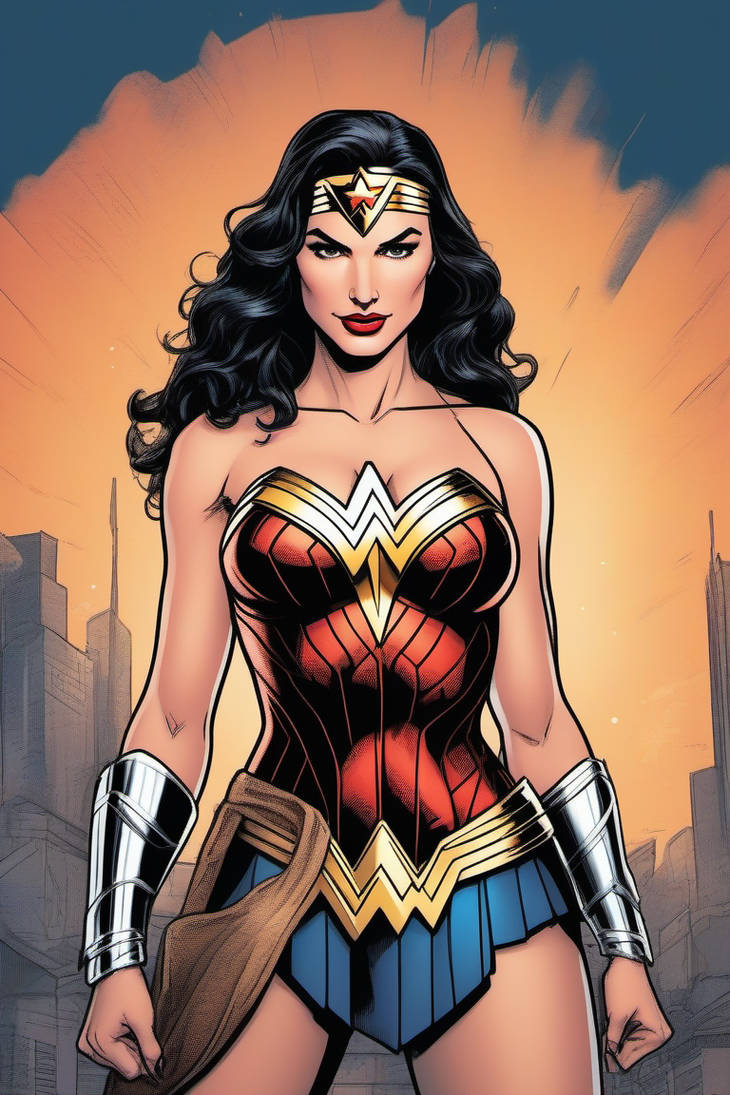
As the comic book industry evolved, so too did Wonder Woman. The Silver Age, spanning from the late 1950s to the early 1970s, saw the character undergo significant changes. This era brought a new level of sophistication and depth to Wonder Woman's mythology, exploring her place in a changing world.
During the Silver Age, Wonder Woman's origins were retconned, introducing a more modern and relatable backstory. She was now a child of Zeus, born on Paradise Island (formerly Themyscira), and raised by the Amazonian queen Hippolyta. This new origin story emphasized her divine heritage and the responsibility she carried as a demigoddess.
The Silver Age comics also delved into Wonder Woman's romantic relationships, introducing characters like Steve Trevor, Etta Candy, and the mischievous Hermes. Her adventures became more fantastical, featuring time travel, alternate dimensions, and encounters with a diverse range of villains, including the evil sorceress Circe and the treacherous Cheetah.
Key Silver Age storylines include:
- Wonder Woman #98: Introducing the iconic character of Steve Trevor and his relationship with Wonder Woman.
- Wonder Woman #105: The introduction of Etta Candy, Wonder Woman's loyal friend and member of the Holliday Girls.
- Wonder Woman #178: A pivotal issue that saw Wonder Woman resign from her role as an ambassador of peace.
Silver Age Wonder Woman, character evolution, retconned origins, divine heritage, Steve Trevor, Etta Candy, time travel, alternate dimensions, Circe, Cheetah, Wonder Woman #98, Wonder Woman #105, Wonder Woman #178.
The Crisis on Infinite Earths: A Cosmic Reset
In the 1980s, DC Comics embarked on a bold initiative to streamline and unify its sprawling multiverse. The Crisis on Infinite Earths, a landmark crossover event, saw the destruction of multiple parallel Earths and a redefinition of the DC universe. This cosmic event had a profound impact on Wonder Woman's mythology, offering a fresh start for the character.
During the Crisis, Wonder Woman's history was rewritten, with her origins and powers being reimagined. The post-Crisis Wonder Woman was now a demigoddess, the daughter of Zeus and Hippolyta, born on Paradise Island. Her powers were enhanced, and her role as an ambassador of peace and justice was emphasized. This new direction brought a sense of renewed energy and excitement to the character.
Key elements of the post-Crisis Wonder Woman include:
- A stronger connection to Greek mythology, with Wonder Woman being revered as a goddess by the Amazons.
- Enhanced powers, including super strength, enhanced senses, and the ability to fly.
- A more modern and progressive portrayal, with Wonder Woman embracing her role as a feminist icon.
Crisis on Infinite Earths, DC Comics multiverse, Wonder Woman's origins, post-Crisis Wonder Woman, Greek mythology, enhanced powers, feminist icon, DC universe reset.
The Amazonian Warriors: A Sisterhood of Strength
Central to Wonder Woman's mythology is her deep connection to the Amazonian warriors. These fierce and formidable women have played a pivotal role in shaping the character's journey and identity. The Amazons, with their unwavering loyalty and unyielding strength, have become an iconic part of the Wonder Woman legend.
The Amazonian warriors are not just a supporting cast; they are a sisterhood of powerful women who embody the ideals of female empowerment. Led by Queen Hippolyta, the Amazons have a rich history and mythology of their own. Their origins are steeped in ancient legends, with tales of their creation by the gods to protect the world from evil.
Throughout Wonder Woman's adventures, the Amazons have been a constant source of support and guidance. They have fought alongside their princess, offering their unique skills and perspectives. From the fierce warrior Artemis to the wise and compassionate Antiope, each Amazonian brings a distinct personality and skill set to the team.
Key Amazonian warriors include:
- Queen Hippolyta: The wise and powerful ruler of the Amazons, and Wonder Woman's mother.
- Artemis: A skilled hunter and warrior, often depicted as Wonder Woman's trusted companion.
- Antiope: Hippolyta's sister and a seasoned warrior, playing a crucial role in Wonder Woman's training.
Amazonian warriors, sisterhood, Queen Hippolyta, Artemis, Antiope, female empowerment, Wonder Woman's training, ancient legends.
The Lasso of Truth: Symbol of Justice
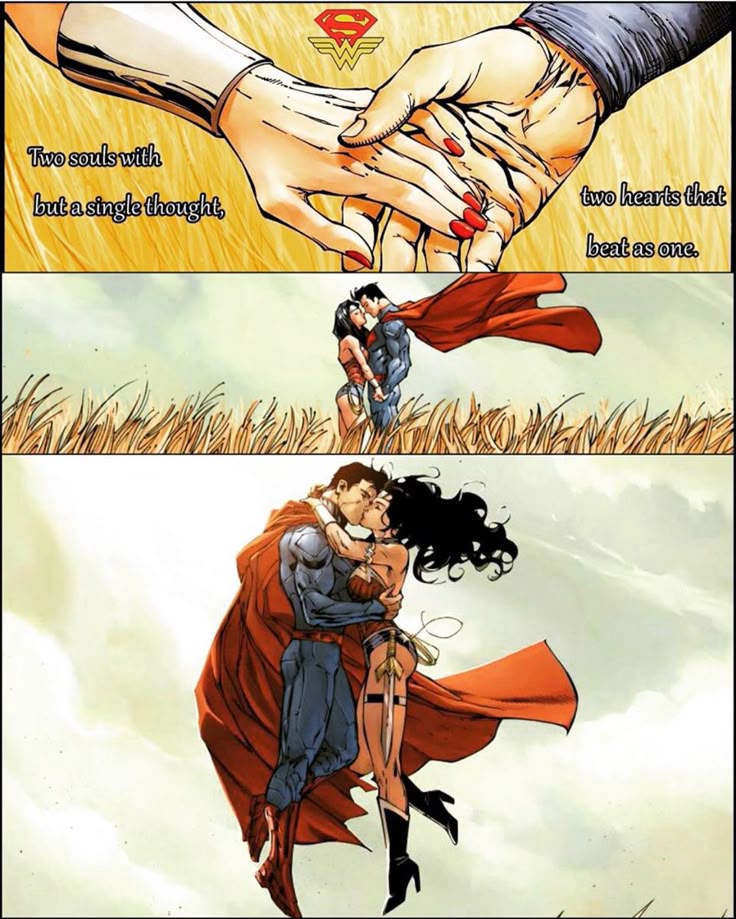
One of the most iconic symbols associated with Wonder Woman is her Lasso of Truth. This magical weapon, gifted to her by the gods, holds immense power and significance in the character's mythology. The Lasso of Truth is not just a tool; it is a symbol of justice, honesty, and the unwavering pursuit of truth.
The Lasso of Truth is crafted from the magic girdle of the goddess Aphrodite. When thrown, it binds its target, forcing them to tell the truth and revealing their innermost thoughts and intentions. This unique ability makes the Lasso an invaluable asset in Wonder Woman's arsenal, allowing her to uncover secrets, expose lies, and ensure that justice is served.
Throughout her adventures, Wonder Woman has used the Lasso of Truth to bring down villains, expose corrupt officials, and protect the innocent. Its power extends beyond its ability to compel truth; it is a symbol of Wonder Woman's unwavering commitment to her principles and her role as a champion of justice.
Key moments involving the Lasso of Truth include:
- Wonder Woman's first use of the Lasso, capturing a Nazi spy and forcing him to reveal vital information.
- The Lasso's role in exposing the true nature of the evil sorceress Circe, revealing her deceptions.
- Wonder Woman's use of the Lasso to bring peace to a war-torn nation, demonstrating its power to unite and heal.
Lasso of Truth, Wonder Woman's weapon, Aphrodite's girdle, symbol of justice, exposing villains, Wonder Woman's principles, healing power.
Wonder Woman's Villains: A Gallery of Evil
No superhero is complete without a rogues gallery of villains, and Wonder Woman is no exception. Throughout her comic book adventures, she has faced a diverse array of antagonists, each with their own unique motivations and powers. These villains add depth and complexity to the Wonder Woman mythology, providing thrilling challenges for the Amazonian warrior.
One of Wonder Woman's most iconic villains is the Cheetah. This shape-shifting villain, often depicted as a fierce and cunning adversary, has a deep-seated hatred for Wonder Woman. With her feline agility and enhanced strength, the Cheetah is a formidable opponent, always seeking to outwit and defeat the Amazonian princess.
Another notable villain is Doctor Poison, a brilliant scientist and master manipulator. With her deadly poisons and clever deceptions, Doctor Poison has posed a significant threat to Wonder Woman and her allies. Her intelligence and strategic mind make her a challenging adversary, requiring Wonder Woman to use all her skills and wit to defeat her.
Key Wonder Woman villains include:
- Cheetah: A shape-shifting villain with a deep hatred for Wonder Woman.
- Doctor Poison: A brilliant scientist and master manipulator, posing a deadly threat.
- Circe: An evil sorceress with the power to transform and control others.
Wonder Woman villains, Cheetah, Doctor Poison, Circe, shape-shifting, deadly poisons, strategic threats, Amazonian warrior's challenges.
The Wonder Woman-Superman Romance: A Superheroic Love Story
In the world of comics, superheroic love stories are a common trope, and the relationship between Wonder Woman and Superman is one of the most iconic and enduring. The dynamic between these two powerful heroes has captivated fans for decades, offering a unique blend of adventure, romance, and a hint of tragedy.
The romance between Wonder Woman and Superman began in the Silver Age, with their first meeting sparking an instant connection. Their relationship evolved over time, with periods of closeness and distance, reflecting the complexities of real-life romance. Despite their differences in powers and backgrounds, they shared a deep bond, united by their commitment to justice and their unwavering devotion to each other.
The Wonder Woman-Superman romance has been a source of inspiration and fantasy for fans, offering a glimpse into the possibility of love in a world filled with extraordinary heroes. Their relationship has been explored in various comic book storylines, graphic novels, and even in the broader DC extended universe, adding depth and emotion to their respective characters.
Key Wonder Woman-Superman romance moments include:
- Their first meeting in Superman's Girl Friend, Lois Lane #29, leading to an instant connection.
- The iconic Superman/Wonder Woman series, exploring their relationship and shared adventures.
- The tragic ending of their relationship in Kingdom Come, a powerful exploration of their love and sacrifice.
Wonder Woman-Superman romance, superheroic love story, Silver Age, instant connection, shared adventures, tragic ending, Kingdom Come, Superman's Girl Friend, Lois Lane #29.
Frequently Asked Questions
What inspired William Moulton Marston to create Wonder Woman?
+Marston, a psychologist, was inspired by the emerging women's rights movement and his own belief in female empowerment. He wanted to create a powerful female character who could serve as a role model and inspire young girls.
William Moulton Marston, Wonder Woman's creator, female empowerment, role model, women's rights movement, psychological inspiration.
<div class="faq-item">
  <div class="faq-question">
    <h3>How has Wonder Woman's costume evolved over the years?</h3>
    <span class="faq-toggle">+</span>
  </div>
  <div class="faq-answer">
    <p>Wonder Woman's costume has undergone several iterations, reflecting changing fashions and cultural influences. While the iconic star-spangled bodice and flowing cape remain, the design has evolved to include variations like the red boots and the addition of the tiara.</p>
    <p>Wonder Woman's costume, fashion evolution, star-spangled bodice, red boots, cultural influences, design variations.</p>
  </div>
</div>

<div class="faq-item">
  <div class="faq-question">
    <h3>What powers does Wonder Woman possess?</h3>
    <span class="faq-toggle">+</span>
  </div>
  <div class="faq-answer">
    <p>Wonder Woman possesses a range of superhuman abilities, including super strength, enhanced senses, and the power of flight. Her Lasso of Truth is a powerful weapon, compelling targets to reveal the truth. Additionally, she has a healing factor and is an expert in hand-to-hand combat.</p>
    <p>Wonder Woman's powers, super strength, enhanced senses, flight, Lasso of Truth, healing factor, hand-to-hand combat.</p>
  </div>
</div>

<div class="faq-item">
  <div class="faq-question">
    <h3>How has Wonder Woman's character evolved since her creation?</h3>
    <span class="faq-toggle">+</span>
  </div>
  <div class="faq-answer">
    <p>Wonder Woman's character has evolved significantly since her Golden Age debut. She has become more modern and progressive, embracing her role as a feminist icon. Her origins have been retconned, and her powers have been enhanced, making her a more powerful and relatable hero.</p>
    <p>Wonder Woman's character evolution, Golden Age, modern portrayal, feminist icon, retconned origins, enhanced powers.</p>
  </div>
</div>
In conclusion, Wonder Woman's comic fantasies offer a rich tapestry of adventure, fantasy, and female empowerment. From her Golden Age origins to her modern-day adventures, the Amazonian warrior has captivated audiences with her indomitable spirit and unwavering commitment to justice. As we explore these seven wonder-filled fantasies, we gain a deeper appreciation for the character's enduring legacy and her place in the pantheon of comic book heroes.
Wonder Woman, comic fantasies, female empowerment, Amazonian warrior, superhero legacy, enduring appeal, Wonder Woman’s impact, Golden Age, modern portrayal.