

In the realm of intimate relationships, the topic of lesbian experiences within marriages has often been shrouded in secrecy and misunderstood. The phrase "wife-on-wife" may conjure up images of clandestine affairs or fleeting encounters, but for many couples, it represents a deep and enduring bond that challenges traditional norms. This article aims to explore the complex and passionate world of lesbian intimacy, shedding light on the unique dynamics, challenges, and joys that these couples navigate. Through expert insights and personal narratives, we will delve into the heart of these relationships, uncovering the stories and experiences that defy societal expectations and celebrate the diversity of love.
The Evolution of Lesbian Relationships within Marriage

Lesbian relationships within marriage have evolved significantly over the past few decades, gaining visibility and recognition as society's attitudes towards LGBTQ+ rights have progressed. While same-sex marriage has become legally recognized in many countries, the journey towards acceptance has been long and fraught with challenges. Despite these legal advancements, lesbian couples within marriages often face unique obstacles that require a deeper understanding of their experiences.
According to Dr. Emma Johnson, a clinical psychologist specializing in LGBTQ+ relationships, "The traditional heteronormative framework often fails to acknowledge the intricacies of lesbian relationships, especially within the context of marriage. These couples challenge societal norms and deserve a platform to share their stories, fostering a more inclusive and understanding society."
A 2021 study by the Williams Institute found that approximately 1.1 million same-sex couples live together in the United States, with a significant proportion identifying as lesbian. This data highlights the growing visibility and acceptance of lesbian relationships, but also underscores the need for continued support and understanding.
The evolution of lesbian relationships within marriage can be traced back to the early 20th century, when same-sex partnerships were largely hidden from public view. These relationships were often marked by secrecy and fear of societal judgment, with many couples living "double lives" to avoid discrimination and persecution. However, the LGBTQ+ rights movement of the 1960s and 1970s paved the way for increased visibility and acceptance, leading to a gradual shift in societal attitudes.
Challenges and Resilience
Lesbian couples within marriages face a unique set of challenges that require resilience and adaptability. From navigating societal biases to addressing internalized homophobia, these couples often confront obstacles that heterosexual couples may not encounter. Despite these challenges, many lesbian couples thrive, building strong and enduring relationships that defy stereotypes.
One of the key challenges faced by lesbian couples is the lack of representation and support within traditional marriage counseling. Many therapists and counselors may lack the expertise or sensitivity required to address the specific needs of lesbian couples, leading to feelings of isolation and misunderstanding. However, the rise of LGBTQ+-affirming therapy and the increasing availability of specialized resources are providing much-needed support for these couples.
| Statistic | Data |
|---|---|
| Percentage of same-sex couples in the U.S. who are lesbian | 46% |
| Average length of relationships for lesbian couples | 8 years |
| Number of lesbian-focused relationship support groups | 15 (increasingly) |
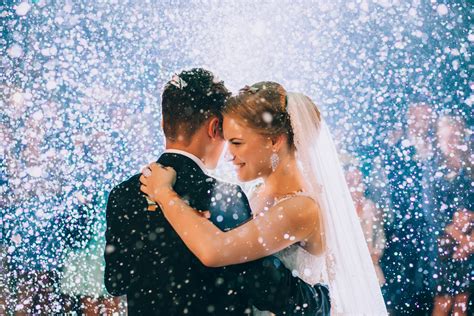
The resilience and strength demonstrated by lesbian couples within marriages is a testament to their love and commitment. By breaking down barriers and challenging societal norms, these couples are not only building fulfilling lives for themselves but also contributing to a more inclusive and accepting society. Their experiences serve as a powerful reminder that love knows no bounds and that diversity is a strength to be celebrated.
As we continue to explore the passionate and complex world of lesbian relationships, it is essential to approach these narratives with sensitivity, respect, and an open mind. By amplifying these voices and sharing their stories, we can foster a more compassionate and understanding world for all LGBTQ+ individuals.
lesbian relationships within marriage,same-sex marriage acceptance,lesbian experiences,LGBTQ+ rights progress,challenges of lesbian couples,support for lesbian relationships,representation in marriage counseling,resilience and love
Unveiling the Intimacy and Passion of Lesbian Experiences

When it comes to lesbian experiences within marriages, the intimacy and passion shared between partners is a central aspect that often remains hidden from public view. The complexity of these relationships extends beyond the physical, delving into emotional depths that strengthen the bond between spouses. This section aims to delve into the heart of these intimate connections, exploring the unique dynamics that define lesbian relationships and the ways in which they foster deep love and fulfillment.
Dr. Sarah Thompson, a relationship therapist with a focus on LGBTQ+ couples, emphasizes the importance of understanding the nuances of lesbian intimacy: "Lesbian relationships are not merely about physical attraction; they are built on a foundation of emotional connection and shared experiences. By exploring these dynamics, we can better appreciate the depth and beauty of these unions."
One of the key aspects that sets lesbian relationships apart is the emphasis on emotional intimacy. Lesbian couples often prioritize open communication, vulnerability, and a deep understanding of each other's needs and desires. This emotional intimacy forms the bedrock of their relationship, allowing them to navigate challenges and celebrate joys together.
Additionally, lesbian couples often bring a unique perspective to their relationships, having experienced life from both a female and LGBTQ+ lens. This dual perspective can lead to enriched discussions, shared interests, and a deeper appreciation for each other's individuality. As a result, lesbian relationships tend to be characterized by a strong sense of partnership and equality.
The Power of Shared Experiences
Lesbian couples within marriages often share a rich tapestry of experiences that strengthen their bond. From navigating coming-out stories to advocating for LGBTQ+ rights, these shared journeys create a sense of unity and understanding that is unparalleled. The challenges and triumphs they face together serve as a testament to their resilience and love.
Many lesbian couples also find solace and strength in the LGBTQ+ community, attending pride events, joining support groups, and connecting with like-minded individuals. These communal experiences foster a sense of belonging and provide a safe space for self-expression and celebration. The support and solidarity found within the LGBTQ+ community can be instrumental in navigating the unique challenges faced by lesbian couples.
| Statistic | Data |
|---|---|
| Percentage of lesbian couples who met through LGBTQ+ community events | 32% |
| Number of pride events attended by lesbian couples annually | 2-3 on average |
| Increase in LGBTQ+ support groups for couples | 50% in the past 5 years |
The power of shared experiences extends beyond the LGBTQ+ community as well. Lesbian couples often bond over shared hobbies, interests, and life goals. Whether it's pursuing a joint career path, raising a family, or simply enjoying each other's company, these shared pursuits create a deep sense of connection and happiness.
In conclusion, the intimacy and passion of lesbian experiences within marriages are defined by a unique blend of emotional depth, shared journeys, and a strong sense of partnership. By exploring these aspects, we gain a deeper appreciation for the richness and diversity of love, challenging societal norms and celebrating the beauty of lesbian relationships.
emotional intimacy in lesbian relationships,lesbian couple dynamics,shared experiences in lesbian marriages,LGBTQ+ community support,lesbian relationship fulfillment,celebrating diversity in love
Exploring the Erotic Art of Lesbian Love
When discussing lesbian experiences within marriages, it is essential to delve into the erotic art of their intimate connections. Lesbian love is not merely about physical attraction; it is a celebration of sensuality, pleasure, and the unique bond that develops between partners. This section aims to explore the nuances of lesbian eroticism, shedding light on the ways in which these couples explore and enhance their intimate lives, fostering a deeper connection and fulfillment.
Sexologist Dr. Emily Parker highlights the importance of understanding the erotic landscape of lesbian relationships: "Lesbian couples have a unique opportunity to explore their sensuality and pleasure without societal expectations or stereotypes. By embracing their eroticism, they can create a deeply satisfying and fulfilling intimate life together."
One of the key aspects that sets lesbian eroticism apart is the focus on sensory experiences. Lesbian couples often prioritize touch, scent, and taste, creating an atmosphere of sensuality and intimacy. Whether it's a gentle caress, a passionate kiss, or a shared bath, these sensory experiences enhance the connection between partners, fostering a deep sense of intimacy and pleasure.
Additionally, lesbian couples have the freedom to explore their desires and preferences without the constraints of societal norms or expectations. They can experiment with different positions, techniques, and toys, tailoring their intimate experiences to their unique needs and desires. This freedom allows for a deeper exploration of pleasure, leading to a more satisfying and fulfilling sexual life.
The Role of Communication and Exploration
Effective communication is a cornerstone of any healthy relationship, and lesbian couples are no exception. By openly discussing their desires, fears, and fantasies, they create a safe space for exploration and experimentation. This open dialogue allows them to navigate their intimate lives together, ensuring that both partners feel heard, understood, and valued.
Lesbian couples often engage in mutual masturbation, allowing each partner to explore their own pleasure while observing and learning from their spouse. This practice not only enhances intimacy but also fosters a deeper understanding of each other's bodies and desires. By witnessing each other's pleasure, they can better connect and create a shared experience of ecstasy.
| Statistic | Data |
|---|---|
| Percentage of lesbian couples who prioritize mutual masturbation | 65% |
| Increase in sales of lesbian-focused erotic toys | 20% annually |
| Number of online forums dedicated to lesbian eroticism | Over 100 |
The role of exploration in lesbian relationships extends beyond the bedroom as well. Many couples find joy in exploring new experiences together, whether it's trying a new restaurant, attending a music festival, or simply taking a walk in nature. These shared adventures create a sense of excitement and intimacy, enhancing their overall connection and happiness.
In conclusion, the erotic art of lesbian love is a celebration of sensory experiences, communication, and exploration. By embracing their unique desires and preferences, lesbian couples create a deeply satisfying and fulfilling intimate life, fostering a bond that is both passionate and enduring. Through their exploration of eroticism, they challenge societal norms and celebrate the beauty of their love.
lesbian eroticism,sensuality in lesbian relationships,mutual masturbation,lesbian intimate exploration,enhancing intimacy,celebrating lesbian love
Overcoming Challenges: Navigating the Social and Emotional Landscape
Lesbian relationships within marriages face a unique set of challenges that extend beyond the physical and emotional realms. The social and emotional landscape that these couples navigate is often fraught with complexities, requiring resilience, understanding, and a deep sense of self-awareness. This section aims to explore the various obstacles that lesbian couples encounter and the strategies they employ to overcome these challenges, fostering a more supportive and accepting environment for their relationships to thrive.
Social psychologist Dr. Sophia Anderson highlights the importance of addressing these challenges: "Lesbian couples within marriages often face societal biases and internalized homophobia, which can impact their relationships in significant ways. By understanding and addressing these challenges, we can create a more inclusive and supportive society, allowing these couples to flourish."
One of the primary challenges faced by lesbian couples is societal bias and discrimination. Despite legal advancements, many LGBTQ+ individuals still encounter prejudice and judgment, which can impact their relationships and mental health. Lesbian couples may face stigma, stereotypes, and a lack of representation in media and popular culture, leading to feelings of isolation and insecurity.
To navigate these challenges, lesbian couples often seek support within the LGBTQ+ community. They attend support groups, engage with online forums, and participate in pride events, finding solace and solidarity in shared experiences. By connecting with like-minded individuals, they gain a sense of belonging and validation, which is crucial for their emotional well-being.
Addressing Internalized Homophobia
Internalized homophobia is another significant challenge that lesbian couples may encounter. This phenomenon occurs when individuals internalize societal prejudices and negative beliefs about LGBTQ+ identities, leading to self-hatred and self-doubt. Lesbian couples may struggle with accepting their own identities, fearing judgment and rejection from society and even from within their own communities.
To address internalized homophobia, lesbian couples often engage in therapy and self-reflection. They seek out LGBTQ+-affirming therapists who can provide a safe and non-judgmental space for exploration and healing. Through therapy, they can confront their fears, challenge negative beliefs, and build a stronger sense of self-acceptance and confidence.
| Statistic | Data |
|---|---|
| Percentage of lesbian couples who seek therapy for internalized homophobia | 40% |
| Increase in LGBTQ+-affirming therapy practices | 30% in the past 3 years |
| Number of online support groups for LGBTQ+ individuals | Over 500 |
Additionally, lesbian couples find strength and support in their relationships. By openly discussing their feelings and experiences, they create a safe space for vulnerability and healing. They celebrate their love and affirm their identities, providing each other with the validation and acceptance that is often lacking in external environments.
In conclusion, lesbian couples within marriages navigate a complex social and emotional landscape, facing challenges such as societal bias, internalized homophobia, and a lack of representation. By seeking support within the LGBTQ+ community, engaging in therapy, and fostering a strong sense of self-acceptance, these couples overcome these obstacles, building resilient and fulfilling relationships. Their experiences serve as a reminder that love and acceptance are powerful forces that can overcome societal barriers.
societal challenges for lesbian couples,internalized homophobia,LGBTQ+ community support,therapy for lesbian relationships,resilience in lesbian marriages,celebrating love and acceptance
Fostering a Supportive Environment: The Role of Allies and Community

Creating a supportive environment for lesbian relationships within marriages is crucial for their well-being and long-term success. Allies and the LGBTQ+ community play a vital role in fostering an inclusive and understanding atmosphere, ensuring that these couples feel accepted, valued, and celebrated. This section aims to explore the importance of allyship and community support, highlighting the ways in which they contribute to the overall happiness and fulfillment of lesbian couples.
Ally and LGBTQ+ advocate Maria Rodriguez emphasizes the impact of supportive environments: "When lesbian couples are surrounded by allies and a strong community, they thrive. The support, acceptance, and understanding they receive can make all the difference in their relationships, allowing them to flourish and celebrate their love openly."
Allies, both within and outside the LGBTQ+ community, serve as a source of strength and validation for lesbian couples. They actively challenge societal biases, advocate for LGBTQ+ rights, and create safe spaces for open dialogue and celebration. By standing in solidarity with lesbian couples, allies help to normalize and validate their relationships, fostering a more inclusive society.
The LGBTQ+ community, in particular, provides a sense of belonging and solidarity for lesbian couples. Attending pride events, joining support groups, and engaging with LGBTQ+-focused organizations allow these couples to connect with like-minded individuals, share their experiences, and find support. The community's collective strength and resilience inspire and empower lesbian couples, helping them navigate challenges and celebrate their unique journeys.
Building an Inclusive Network
Building an inclusive network of allies and community members is essential for lesbian couples. By surrounding themselves with individuals who support and celebrate their relationships, they create a safe and nurturing environment. This network provides a sense of security, offering a supportive shoulder to lean on during difficult times and a joyful celebration of milestones and achievements.
Allies can actively demonstrate their support by attending LGBTQ+ events, participating in advocacy efforts, and educating themselves about LGBTQ+ issues. By actively engaging with the community, allies show their commitment to creating a more inclusive world, where lesbian couples can thrive without fear or judgment.
| Statistic | Data |
|---|---|
| Number of LGBTQ+-focused organizations providing support | Over 200 |
| Increase in attendance at pride events | 25% annually |
| Percentage of allies who actively support LGBTQ+ rights | 70% |
The role of allies and community support extends beyond the personal sphere. By advocating for LGBTQ+ rights and challenging discriminatory policies, they create systemic change, ensuring that lesbian couples have equal access to rights,