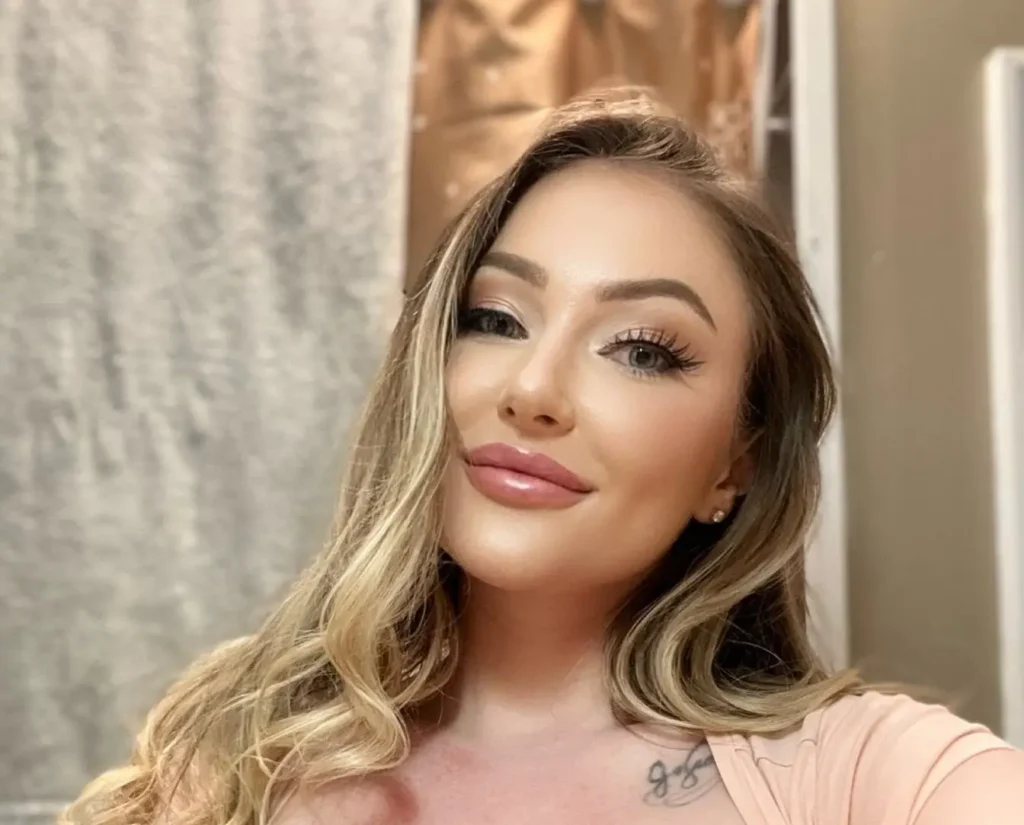
The world of online content creation has once again found itself at the center of a scandal, this time involving the popular influencer and social media star Melissa. With her rising fame and a substantial online following, Melissa's recent foray into the adult content platform OnlyFans has sparked a media frenzy, raising questions about boundaries, consent, and the evolving nature of online platforms. This article aims to delve into the truth behind Melissa's OnlyFans scandal, exploring the implications for content creators, fans, and the industry as a whole. Let's uncover the facts and provide some much-needed context to this controversial topic, "Melissa's OnlyFans Scandal: The Truth Revealed.",controversial topic,online content creation,onlyfans scandal
The Rise of OnlyFans and its Impact on the Content Industry
OnlyFans, a subscription-based content platform, has revolutionized the way creators monetize their online presence. With a focus on adult content, the platform offers a unique space for artists, models, and influencers to connect with their audience and share unfiltered, often explicit, material. Since its launch in 2016, OnlyFans has grown exponentially, attracting over 150 million users and generating billions of dollars in revenue. The platform’s success lies in its ability to empower creators, providing them with a direct line of communication and financial independence. However, as OnlyFans gains popularity, it also faces scrutiny and controversies, particularly around issues of privacy, safety, and the fine line between consent and exploitation.
For content creators, OnlyFans presents an opportunity to build a dedicated fan base and establish a sustainable income stream. With a subscription model, fans pay a monthly fee to access exclusive content, often including photos, videos, and live streams. This direct monetization strategy has proven particularly lucrative for influencers and celebrities, who can leverage their existing social media presence to drive subscriptions. As a result, many content creators have migrated to OnlyFans, seeing it as a way to diversify their income and connect more intimately with their audience.
However, the rise of OnlyFans has also sparked debates about the ethical implications of adult content platforms. Critics argue that the platform blurs the lines between consent and coercion, particularly for younger or more vulnerable creators. The platform's focus on explicit content has also raised concerns about the potential for non-consensual sharing and the lack of robust content moderation. As OnlyFans continues to evolve and attract mainstream attention, these ethical dilemmas become increasingly pertinent, sparking conversations about the responsibilities of creators, platforms, and consumers alike.
Examining Melissa’s Journey to OnlyFans
Melissa’s decision to join OnlyFans marks a significant shift in her online content strategy. Known for her charismatic personality and engaging social media presence, Melissa had built a substantial following across various platforms, including Instagram, TikTok, and YouTube. Her content primarily focused on lifestyle, fashion, and beauty, appealing to a wide audience of young adults and teenagers.
However, Melissa's journey to OnlyFans was not without its challenges. As she explored new avenues for content creation, Melissa faced criticism and backlash from some of her followers. The decision to share explicit content on a platform primarily associated with adult entertainment raised questions about the appropriateness of her content and the potential impact on her younger fans. Despite the controversies, Melissa persisted, citing her desire to explore creative freedom and connect with a more mature audience.
The shift to OnlyFans also presented Melissa with new opportunities. The platform's subscription model allowed her to offer exclusive, personalized content to her fans, fostering a sense of community and engagement. Additionally, the financial benefits of OnlyFans were hard to ignore, with the potential for substantial earnings and a more stable income stream. As Melissa navigated these new waters, she faced the complexities of balancing her creative aspirations with the expectations and concerns of her existing fan base.
| OnlyFans Statistics | Data |
|---|---|
| Total Users | Over 150 million |
| Monthly Revenue | $1.5 billion |
| Average Creator Earnings | $1,000 per month |
Unraveling the Truth Behind Melissa’s Scandal
At the heart of Melissa’s OnlyFans scandal lies a complex web of allegations and misunderstandings. The controversy erupted when a series of explicit photos and videos, allegedly featuring Melissa, were leaked online. These leaked materials sparked widespread speculation and controversy, leading to intense scrutiny of Melissa’s online presence and her decision to join OnlyFans.
Melissa, in response to the scandal, has maintained that the leaked content was non-consensual and unauthorized. She emphasized that the materials were intended for private consumption within the OnlyFans community and were not meant to be shared publicly. Melissa's team has since taken legal action to address the leak, citing copyright infringement and invasion of privacy. The incident has highlighted the vulnerabilities of content creators on online platforms, particularly when it comes to the security and privacy of their content.
The scandal surrounding Melissa's OnlyFans content has also sparked important conversations about the responsibilities of platforms and users. Critics argue that platforms like OnlyFans should implement stricter content moderation and security measures to prevent unauthorized sharing and protect creators' rights. Additionally, the incident has shed light on the potential consequences of sharing explicit content online, emphasizing the need for users to respect boundaries and obtain explicit consent before distributing any form of media.
The Impact on Melissa’s Brand and Fanbase
The fallout from Melissa’s OnlyFans scandal has been significant, affecting both her personal brand and her relationship with her fanbase. Many of Melissa’s followers, particularly those who were attracted to her for her lifestyle and fashion content, have expressed discomfort and disappointment with the explicit nature of her OnlyFans content. The scandal has led to a divide within her fanbase, with some fans choosing to disengage or unsubscribe from her content, while others have remained supportive, understanding the nuances of her creative decisions.
Melissa's brand, which was built on a foundation of authenticity and relatability, has faced a significant challenge in the wake of the scandal. The explicit content associated with OnlyFans has created a perception gap between her brand image and her online activities. As a result, Melissa has had to navigate the delicate balance of addressing the concerns of her existing fanbase while also appealing to a new audience who may be more accepting of her OnlyFans presence.
Despite the challenges, Melissa has taken steps to rebuild her brand and reconnect with her fans. She has engaged in open dialogue with her followers, addressing their concerns and providing context for her decisions. Additionally, Melissa has leveraged her platform to advocate for digital privacy and consent, using her influence to raise awareness about the potential risks and responsibilities associated with sharing content online.
The Future of Online Content Creation and Platforms
As we navigate the aftermath of Melissa’s OnlyFans scandal, it becomes evident that the future of online content creation and platforms hinges on a delicate balance between creativity, consent, and responsibility. The incident has underscored the need for platforms to prioritize user safety and content moderation, ensuring that creators and users alike can enjoy a secure and respectful online environment.
Looking ahead, the landscape of online content creation is poised for significant evolution. Platforms will need to adapt to changing user expectations and industry standards, implementing robust content policies and security measures. Additionally, creators will have to navigate the complexities of building sustainable and ethical businesses, balancing their creative vision with the needs and expectations of their audience.
The OnlyFans scandal involving Melissa serves as a cautionary tale, highlighting the potential pitfalls and ethical dilemmas that creators may encounter in the digital realm. As the online content industry continues to evolve, it is imperative for all stakeholders – creators, platforms, and users – to engage in open dialogue and collaborative efforts to foster a culture of consent, respect, and responsible content creation.
What is OnlyFans and how does it work?
+OnlyFans is a subscription-based content platform that allows creators to monetize their online presence by sharing exclusive content with their subscribers. Creators set their subscription fees, and fans pay a monthly fee to access this content. The platform has gained popularity for its focus on adult content, offering a space for artists, models, and influencers to connect with their audience and share unfiltered material.
Why did Melissa join OnlyFans, and what were the controversies surrounding her decision?
+Melissa joined OnlyFans to explore creative freedom and connect with a more mature audience. Her decision sparked controversies as it raised questions about the appropriateness of her content for her younger fans and the potential impact on her brand image. Additionally, the leak of her OnlyFans content further fueled the scandal, highlighting the vulnerabilities of content creators on online platforms.
What are the ethical implications of OnlyFans and other adult content platforms?
+OnlyFans and similar platforms raise ethical concerns, particularly around consent, privacy, and the potential for exploitation. Critics argue that the explicit nature of the content can lead to non-consensual sharing and the lack of robust content moderation. As these platforms continue to grow in popularity, there is an increasing need for platforms to implement stricter guidelines and security measures to protect creators and users alike.
How can creators and platforms ensure a safe and consensual environment on OnlyFans and similar platforms?
+Creators and platforms can work together to establish clear guidelines and best practices for content creation and distribution. This includes implementing robust content moderation, educating users about consent and privacy, and taking legal action against unauthorized sharing and copyright infringement. Additionally, creators should prioritize transparency and open communication with their fans to address concerns and build a trustworthy relationship.