

Tea lovers and enthusiasts often find themselves captivated by the aromatic allure of jasmine tea, a beverage with a rich history and a unique, enchanting flavor profile. In this in-depth exploration, we uncover five secrets that lie beneath the surface of this delicate tea, offering a deeper understanding of its production, cultural significance, and sensory appeal. From the intricate art of scenting to the health benefits it boasts, each revelation adds a layer of intrigue to the jasmine tea experience. Join us as we embark on a journey through the world of jasmine tea, where tradition meets innovation, and where every sip tells a story.
The Art of Scenting: A Historical Perspective
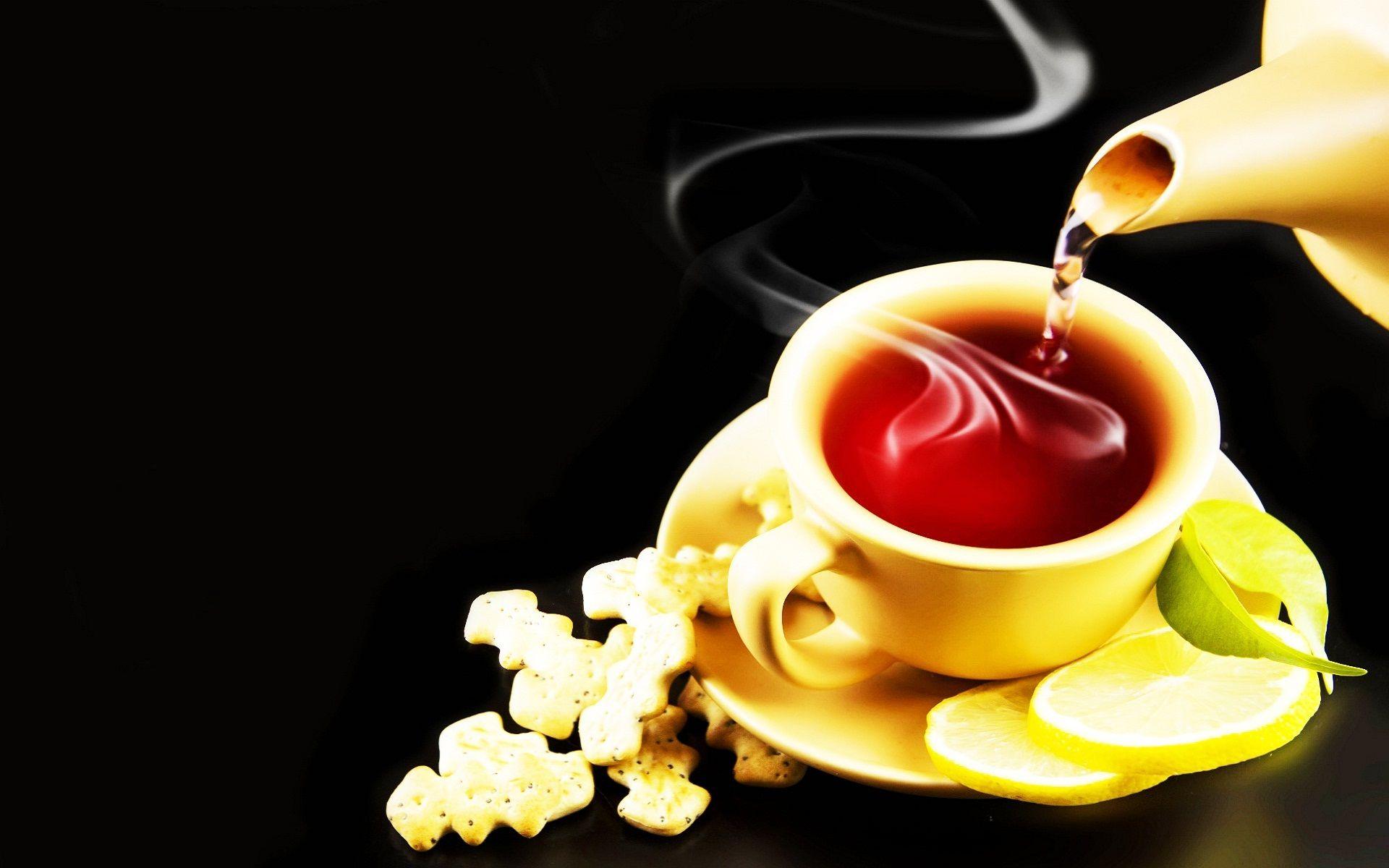
Jasmine tea, with its captivating floral notes, has a long and fascinating history that traces back to ancient China. The process of scenting tea leaves with jasmine flowers is an art that has been refined over centuries, resulting in a beverage that delights the senses. The key to this art lies in the careful selection of jasmine flowers and the precise timing of their addition to the tea leaves.
Traditionally, the finest jasmine teas are crafted during the summer months when the jasmine flowers are in full bloom. The delicate white flowers, with their intoxicating fragrance, are hand-picked at dawn when the dew is still fresh. This ensures that the essential oils are at their peak, capturing the essence of the flower's aroma. The flowers are then carefully layered with tea leaves in a process known as scenting or perfuming.
This layering process is repeated several times, allowing the fragrant oils to gradually infuse the tea leaves. The number of scenting cycles can vary, with some premium teas undergoing up to seven scenting sessions. Each cycle adds a layer of complexity to the tea's aroma, creating a symphony of scents that harmonize with the natural flavors of the tea leaves.
The history of jasmine tea is closely tied to China's cultural heritage. It is believed that the practice of scenting tea with flowers originated during the Tang Dynasty (618-907 AD), a period known for its flourishing arts and culture. Jasmine, with its elegant fragrance, became a favorite among scholars and royalty, and the art of crafting jasmine tea flourished.
Over time, the production of jasmine tea spread beyond China's borders, finding its way into the tea cultures of various countries. Today, it is cherished not only for its taste but also for the intricate craftsmanship and historical significance it embodies. The art of scenting continues to be a cherished tradition, passed down through generations of tea masters, ensuring that each cup of jasmine tea is a tribute to the past and a delight for the present.
jasmine tea history, art of scenting, tea craftsmanship, related keywords, tea culture
The Science Behind Scenting
The scenting process is a complex chemical reaction that involves the interaction of volatile compounds found in the jasmine flowers and the tea leaves. The essential oils of the jasmine flowers, which contain compounds like linalool and benzyl acetate, gradually diffuse into the tea leaves during the scenting cycles. These compounds are responsible for the sweet, floral aroma that characterizes jasmine tea.
During the scenting process, the tea leaves also undergo a series of physical and chemical changes. The tea's natural flavors are enhanced, and new flavor compounds are formed, contributing to the complex taste profile of jasmine tea. The exact composition of these compounds can vary depending on factors such as the tea leaf variety, the quality of the jasmine flowers, and the number of scenting cycles.
Furthermore, the scenting process can have an impact on the tea's color. The natural pigments in the jasmine flowers, particularly the flavonoids, can interact with the tea leaves, resulting in a subtle change in color. This adds to the visual appeal of the brewed tea, creating a beautiful golden-green hue that is characteristic of high-quality jasmine tea.
Understanding the science behind scenting not only adds to the appreciation of jasmine tea but also highlights the skill and precision required in its production. It is a delicate dance of chemistry and craftsmanship, where every step is carefully choreographed to create a perfect fusion of aroma and flavor.
tea chemistry, scenting process, tea flavor profiles, tea production, related keywords, tea appreciation
| Scenting Cycle | Impact on Tea |
|---|---|
| 1-3 cycles | Mild jasmine aroma, suitable for those new to scented teas |
| 4-6 cycles | Moderate intensity, balanced aroma and flavor |
| 7+ cycles | Strong jasmine scent, suitable for experienced tea drinkers |

Unveiling the Health Benefits
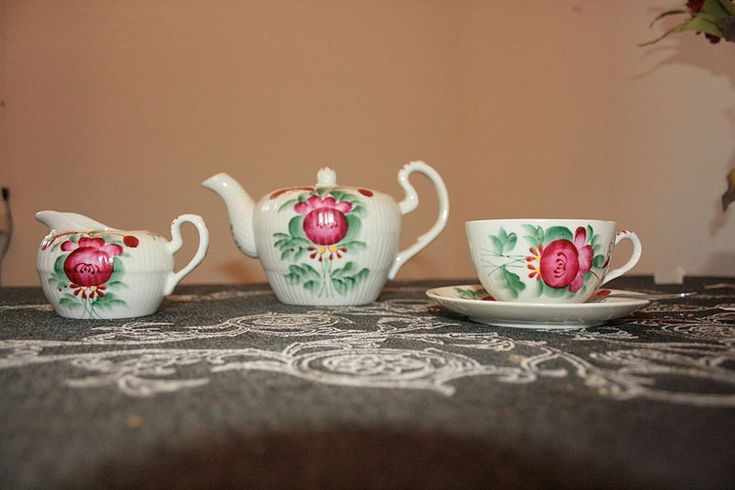
Beyond its sensory allure, jasmine tea is also celebrated for its potential health benefits. This delicate brew, a fusion of green tea and jasmine flowers, inherits the therapeutic properties of both ingredients, offering a range of advantages for overall well-being.
One of the key health benefits of jasmine tea lies in its antioxidant properties. Both green tea and jasmine flowers are rich sources of antioxidants, which are essential for neutralizing harmful free radicals in the body. Free radicals, if left unchecked, can cause cellular damage and contribute to various health issues. The antioxidants in jasmine tea help combat these free radicals, promoting cellular health and potentially reducing the risk of chronic diseases.
Furthermore, jasmine tea is known to have a calming effect on the mind and body. The subtle aroma of jasmine, combined with the soothing properties of green tea, creates a beverage that can promote relaxation and reduce stress. Regular consumption of jasmine tea may help alleviate anxiety and improve overall mental well-being. The calming properties of jasmine tea make it an excellent choice for those seeking a natural way to unwind and relax.
In addition to its antioxidant and calming effects, jasmine tea is also believed to aid in digestion. The natural compounds in jasmine flowers and green tea can stimulate the digestive system, promoting better absorption of nutrients and reducing digestive discomfort. Jasmine tea is often enjoyed after meals for its digestive benefits, helping to soothe the stomach and promote a sense of satisfaction.
jasmine tea health benefits, antioxidants, calming effects, digestion aid, related keywords, natural remedies
A Natural Sleep Aid
For those struggling with sleep, jasmine tea can be a gentle and natural solution. The soothing properties of jasmine, combined with the amino acid L-theanine found in green tea, create a beverage that promotes relaxation without the jitters often associated with caffeinated drinks. L-theanine is known to induce a state of calm and focus, making it an ideal ingredient for a bedtime beverage.
Drinking a cup of jasmine tea before bed can help signal to the body that it's time to wind down. The warm, aromatic brew can induce a sense of relaxation, preparing the mind and body for sleep. Unlike some sleep aids, jasmine tea is a natural, caffeine-free option, making it safe for regular consumption and ideal for those seeking a more holistic approach to sleep hygiene.
The ritual of preparing and drinking jasmine tea can also contribute to its sleep-inducing effects. Taking the time to steep the tea, inhaling its fragrant aroma, and savoring each sip can be a mindful practice, helping to quiet the mind and relax the body. This mindful approach to tea drinking can enhance the overall relaxation experience, making it easier to transition into a restful sleep.
jasmine tea sleep aid, L-theanine, mindful tea ritual, natural sleep solutions, related keywords, sleep hygiene
Jasmine Tea’s Global Journey
Jasmine tea’s journey from its ancient Chinese origins to its global popularity is a testament to its enduring appeal. Over the centuries, it has traveled across continents, captivating tea enthusiasts with its unique flavor and aroma. Today, it is cherished not only in its birthplace but also in various corners of the world, each region putting its own twist on this timeless classic.
In China, jasmine tea continues to be a staple, with different regions boasting their unique varieties. From the delicate Moyang Xiangui from Fujian Province to the robust Xiangyun Paiyao from Yunnan, each tea tells a story of its region's culture and traditions. The art of crafting jasmine tea is deeply rooted in Chinese heritage, and it remains an integral part of social gatherings and ceremonies.
As jasmine tea spread across Asia, it found a special place in countries like Japan and Vietnam. In Japan, it is often enjoyed as a delicate, fragrant contrast to the robust flavors of matcha and sencha. Vietnamese jasmine tea, known for its strong aroma and full-bodied flavor, has gained popularity both locally and internationally.
Beyond Asia, jasmine tea has become a favorite in the Western world. Its gentle flavor and floral notes have made it a popular choice for those new to tea, offering an accessible gateway to the world of tea appreciation. From specialty tea shops to mainstream supermarkets, jasmine tea can be found in various forms, from loose-leaf teas to convenient tea bags, catering to a diverse range of tastes and preferences.
The global journey of jasmine tea is a celebration of its versatility and universal appeal. Whether enjoyed in a traditional Chinese ceremony or as a comforting brew on a chilly Western evening, jasmine tea continues to bridge cultural gaps and bring people together over a shared love for this exquisite beverage.
jasmine tea varieties, global tea culture, tea appreciation, related keywords, cultural traditions
Jasmine Tea and Cultural Traditions
Jasmine tea holds a special place in various cultural traditions and ceremonies. In China, it is often served during important social gatherings and celebrations, symbolizing hospitality and respect. The act of preparing and serving jasmine tea is an art in itself, with specific rituals and etiquette associated with it.
In some cultures, jasmine tea is believed to have spiritual significance. It is used in rituals and offerings, representing purity, grace, and harmony. The delicate fragrance of jasmine is thought to create a sacred atmosphere, enhancing the spiritual experience. Jasmine tea is also often associated with love and romance, making it a popular choice for wedding ceremonies and anniversary celebrations.
Furthermore, jasmine tea plays a role in traditional medicinal practices. In certain cultures, it is used as a natural remedy for various ailments, from digestive issues to respiratory problems. The therapeutic properties of jasmine tea, combined with its soothing aroma, make it a trusted companion for holistic well-being.
The cultural significance of jasmine tea extends beyond its taste and aroma. It is a symbol of tradition, hospitality, and spiritual connection, making it an integral part of social and ceremonial life in many cultures around the world.
cultural significance, tea rituals, holistic well-being, related keywords, spiritual traditions
The Perfect Brew: A Guide to Jasmine Tea Preparation
Brewing the perfect cup of jasmine tea is an art in itself, requiring attention to detail and a delicate touch. The key to a flavorful and aromatic brew lies in the careful selection of tea leaves, the precise control of brewing temperature and time, and the proper use of water quality.
When selecting jasmine tea, it is important to choose high-quality leaves that have undergone the traditional scenting process. The leaves should be whole and well-shaped, with a vibrant green color. The jasmine flowers should be visible, indicating a generous scenting. Premium jasmine teas may also have a slight moisture content, a sign of freshness.
The brewing temperature for jasmine tea should be slightly lower than that of green tea, typically around 80-85°C (176-185°F). This lower temperature helps to gently extract the delicate flavors and aromas of the tea leaves without overpowering the subtle notes of jasmine. Brewing time can vary, but generally, 2-3 minutes is sufficient to allow the flavors to infuse into the water.
Water quality is crucial for a perfect brew. Jasmine tea is best enjoyed with soft, mineral-free water to avoid any interference with its delicate flavors. Hard water, with its high mineral content, can dull the tea's taste and aroma. Filtered or spring water is ideal for brewing jasmine tea, ensuring a pure and clean taste.
The brewing vessel is also an important consideration. Porcelain or glass teapots are preferred for their ability to maintain a consistent temperature and allow for visual appreciation of the brewing process. Ceramic or clay teapots can also be used, but they may retain heat for longer, potentially affecting the brewing time.
Finally, the tea-to-water ratio should be carefully measured. Generally, 2-3 grams of tea per 100ml of water is recommended for a strong, flavorful brew. Adjusting this ratio based on personal preference can help create a customized tea experience.
With these considerations in mind, brewing jasmine tea becomes a sensory experience, allowing the drinker to fully appreciate the intricate flavors and aromas that make this tea so beloved.
jasmine tea brewing, tea preparation, water quality, tea appreciation, related keywords, sensory experience
Brewing Tips for Different Types of Jasmine Tea
Different types of jasmine tea may require slight adjustments in brewing technique to fully unlock their unique flavors and aromas.
- Jasmine Pearls: These tightly rolled tea leaves require a longer brewing time, typically around 3-4 minutes, to fully unfurl and release their flavors. The tea-to-water ratio can be adjusted to 3-4 grams per 100ml to accommodate the compact nature of the pearls.
- Jasmine Silver Needle: Being a delicate, premium tea, Jasmine Silver Needle requires a gentler approach. The brewing temperature should be slightly lower, around 75-80°C (167-176°F), and the brewing time shorter, approximately 1-2 minutes, to prevent bitterness.
- Jasmine Dragon Phoenix Pearls: This unique tea, consisting of a blend of green and white tea, can handle a higher brewing temperature, around 85-90°C (185-194°F). The brewing time should be adjusted to 2-3 minutes to allow for a full infusion of flavors.
By understanding the unique characteristics of each type of jasmine tea and adjusting the brewing technique accordingly, tea enthusiasts can fully appreciate the diverse range of flavors and aromas that this beloved beverage has to offer.
jasmine tea types, brewing techniques, tea flavor profiles, related keywords, tea appreciation
Jasmine Tea’s Sensory Experience: Flavor and Aroma
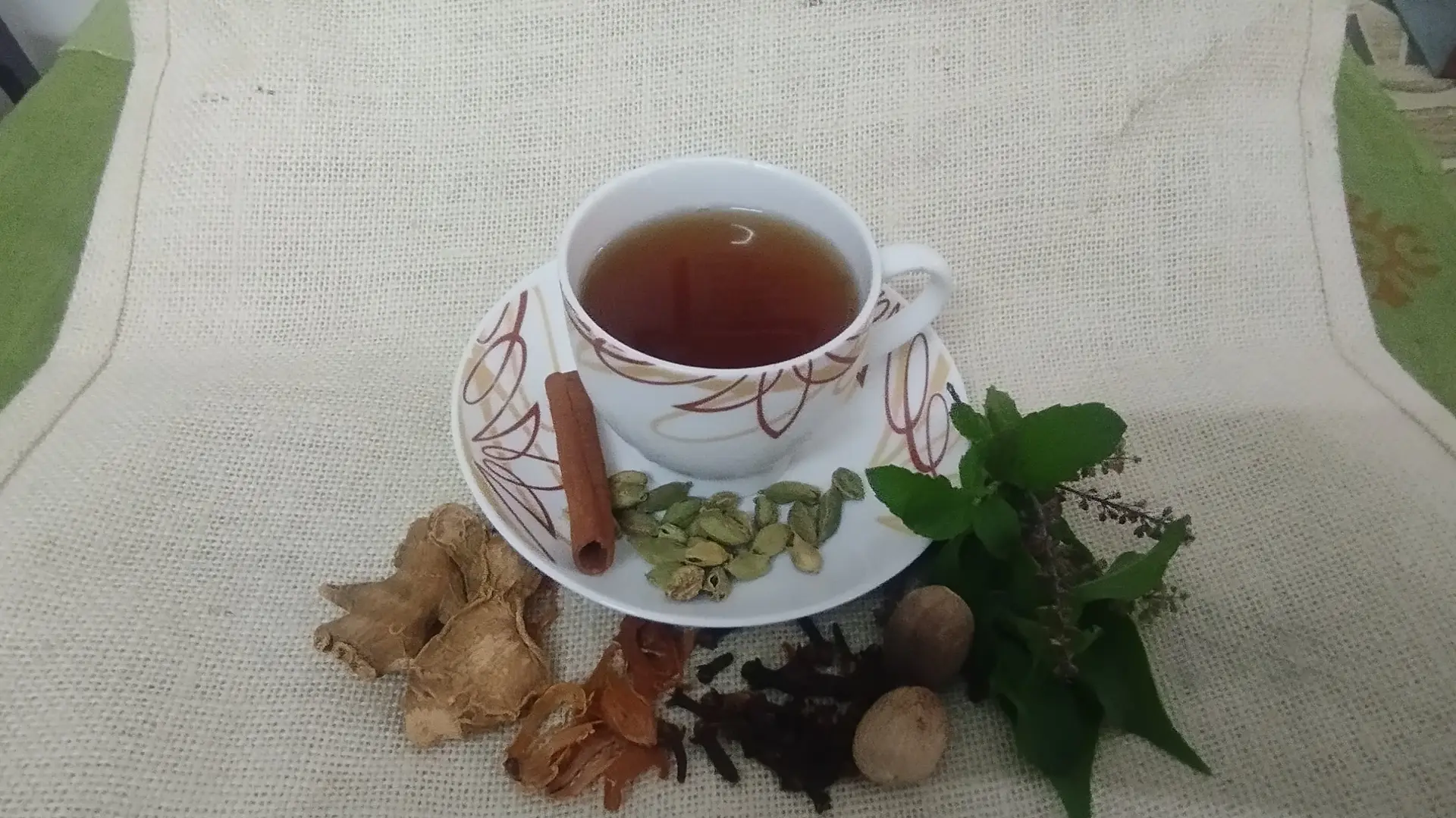
The sensory experience of jasmine tea is a complex symphony of flavors and aromas that engage the taste buds and olfactory senses. The first sip of a well-brewed jasmine tea reveals a delicate, yet captivating flavor profile that is both refreshing and soothing.
The initial taste is characterized by the inherent sweetness of the green tea, with a subtle grassy note that provides a refreshing base. This is followed by a gentle wave of floral notes, where the essence of jasmine blossoms takes center stage. The aroma, akin to a bouquet of fresh flowers, is both elegant and intoxicating, adding a layer of complexity to the overall experience.
As the tea cools, the flavors evolve, offering a subtle shift in character. The grassy notes of the green tea become more pronounced, providing a grounding contrast to the floral aromas. This evolution of flavors creates a dynamic drinking experience, where each sip reveals a new layer of taste and aroma.
The aftertaste of jasmine tea is another highlight. It lingers gently on the palate, leaving a refreshing, slightly sweet impression that beckons for another sip. This lingering sensation, combined with the subtle floral notes, creates a sense of satisfaction and well-being, making jasmine tea an ideal beverage for any time of day.
jasmine tea flavor, sensory experience, aroma, taste profile, related keywords, tea appreciation
Pairing Jasmine Tea with Food
Jasmine tea’s versatility extends to its ability to complement a wide range of foods, enhancing the dining experience with its delicate flavors and aromas.
For a savory meal, jasmine tea pairs beautifully with light, flavorful dishes. Its subtle sweetness and floral notes can balance the flavors of dishes like stir-fried vegetables, grilled fish, or even a simple salad. The refreshing quality of the tea helps to cleanse the palate between bites, enhancing the overall dining experience.
When it comes to desserts, jasmine tea can be a delightful companion. Its floral notes can complement the sweetness of pastries, cakes, and puddings, adding a subtle twist to the flavor profile. The tea's natural sweetness can also enhance the flavors of fruits, making it an ideal beverage to enjoy with a fruit salad or fresh berries.
Furthermore, jasmine tea can be a versatile ingredient in cooking. Its delicate flavor can be infused into dishes, adding a unique twist to traditional recipes. From marinades to sauces, the subtle essence of jasmine can elevate the flavors of a wide range of culinary creations.
jasmine tea pairings, culinary uses, flavor enhancement, related keywords, tea-inspired cuisine
Conclusion: Unlocking the Secrets of Jasmine Tea
Jasmine tea, with its delicate aroma and captivating flavor, is more than just a beverage. It is a sensory journey, a cultural experience, and a health