

A leaky roof can be a persistent problem for homeowners, often causing damage and leading to costly repairs if left unattended. This comprehensive guide aims to demystify the process of fixing a leaky roof, providing an easy-to-follow, step-by-step approach. By understanding the common causes of roof leaks and the available solutions, homeowners can take proactive measures to address this issue effectively. With expert insights and practical advice, this guide will help you patch that leaky roof and restore your home's integrity. Let's dive in!,easy guide,leaky roof,roof repair,home maintenance
Understanding Roof Leaks: Causes and Prevention
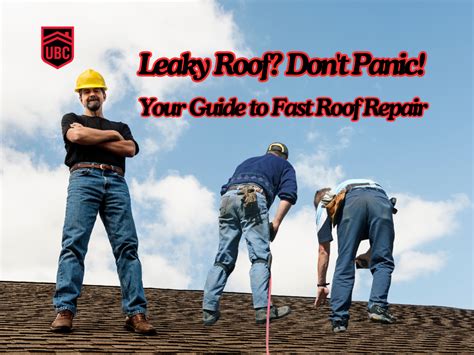
Roof leaks are a common concern for homeowners, and understanding their root causes is crucial for effective prevention and repair. While the sources of leaks can vary, some common culprits include damaged shingles, inadequate flashing, and compromised seals around vents and chimneys. Weather conditions, such as heavy rainfall, snow, and strong winds, can exacerbate these issues, leading to water infiltration. Regular maintenance and timely repairs are essential to avoid more significant problems and costly replacements. By staying vigilant and addressing issues promptly, homeowners can extend the lifespan of their roofs and avoid the hassle and expense of extensive repairs.,roof leaks,roof maintenance,common causes,weather impacts
Identifying the Source: A Step-by-Step Guide
The first step in addressing a leaky roof is to pinpoint the exact location of the leak. This process involves a systematic approach, starting with a visual inspection both inside and outside the house. Look for water stains, mold, or damp patches on ceilings and walls, as these often indicate the general area of the leak. On the roof itself, check for missing or damaged shingles, cracked flashing, or any signs of deterioration. In cases where the leak is not immediately apparent, water testing or thermal imaging can be employed to identify hidden issues. Remember, early detection is key to preventing further damage and ensuring a more straightforward repair process.,leak detection,inspection methods,early warning signs
| Leak Cause | Prevention Measures |
|---|---|
| Damaged Shingles | Regular inspections and prompt replacement of worn shingles |
| Inadequate Flashing | Ensure proper installation and maintenance of flashing around openings |
| Sealing Issues | Regularly inspect and reseal vents, chimneys, and other penetrations |
Temporary Fixes for Urgent Leaks
In situations where a roof leak requires immediate attention, temporary fixes can provide a stopgap solution until a more permanent repair can be implemented. One common method is to use a tarp, which can be weighted down or secured to the roof to divert water away from the affected area. For smaller leaks, a bucket or container can be placed to catch the water until it can be properly repaired. It’s important to note that these temporary measures are not a long-term solution and should be followed up with a thorough assessment and repair by a professional. Additionally, for safety reasons, it’s best to avoid attempting roof repairs during adverse weather conditions.,emergency repairs,safety precautions,temporary solutions
Permanent Solutions: From Repairs to Replacement
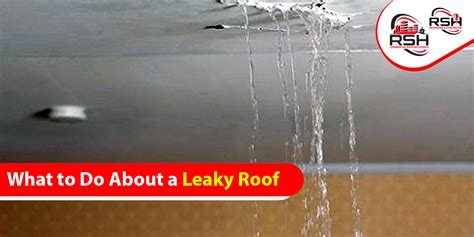
When it comes to fixing a leaky roof, there are several permanent solutions available, ranging from targeted repairs to full-scale replacements. The choice depends on the severity of the damage and the age of the roof. For minor issues like a few missing shingles or small cracks in flashing, a targeted repair can be an effective and cost-efficient solution. On the other hand, if the roof is older and has multiple issues, a complete replacement might be the best long-term option. This decision should be guided by expert advice and a thorough assessment of the roof’s condition. Regular maintenance and timely repairs can help extend the lifespan of a roof and prevent the need for costly replacements.,repair options,roof replacement,long-term strategies
Targeted Repairs: A Cost-Effective Approach
For roofs with minor issues, targeted repairs can be a cost-effective solution to address leaks and other problems. This approach involves identifying the specific areas that require attention and making the necessary repairs, such as replacing damaged shingles, resealing flashing, or reinforcing weak spots. It’s an efficient way to tackle localized issues without the need for a full replacement. However, it’s important to ensure that the underlying causes of the problem are addressed to prevent recurring leaks. Regular inspections and timely repairs can help maintain the integrity of the roof and extend its lifespan.,targeted repairs,localized issues,roof maintenance
Full Roof Replacement: When is it Necessary?
While targeted repairs can address many roof issues, there are situations where a full roof replacement is the best long-term solution. This is often the case when the roof is older and has multiple problems, such as widespread shingle damage, extensive flashing issues, or underlying structural concerns. A complete replacement ensures that all potential issues are addressed, providing peace of mind and eliminating the need for frequent repairs. It’s a significant investment, but with proper maintenance, a new roof can last for decades. Consulting with a professional roofer can help homeowners make an informed decision and choose the most suitable roofing materials for their needs.,roof replacement,longevity,professional advice
Expert Tips: Maximizing the Lifespan of Your Roof
Maintaining the integrity of your roof is crucial for the overall well-being of your home. Regular inspections and timely repairs can significantly extend the lifespan of your roof, saving you from costly replacements down the line. Here are some expert tips to help you maximize the longevity of your roof. Firstly, conduct regular visual inspections, both from the ground and on the roof itself, to identify any potential issues early on. Secondly, address any signs of damage promptly, whether it’s missing shingles, cracked flashing, or water stains. Thirdly, consider investing in professional maintenance, as roofers can provide thorough inspections and make necessary repairs before problems escalate. By staying proactive, you can keep your roof in top condition and avoid the hassle and expense of major repairs.,roof maintenance,proactive measures,professional maintenance
The Role of Roofing Materials in Leak Prevention
The choice of roofing materials plays a crucial role in preventing leaks and ensuring the overall integrity of your roof. Different materials have varying levels of durability, resistance to weather elements, and ease of maintenance. For instance, asphalt shingles are a popular choice due to their affordability and ease of installation, but they may require more frequent maintenance compared to other materials. On the other hand, metal roofs are known for their durability and resistance to weather extremes, making them a popular choice for areas with harsh climates. Understanding the characteristics of different roofing materials can help homeowners make informed decisions and choose the most suitable option for their climate and budget.,roofing materials,durability,weather resistance
| Roofing Material | Pros | Cons |
|---|---|---|
| Asphalt Shingles | Affordable, easy to install | May require more frequent maintenance |
| Metal Roofs | Durable, weather-resistant | Can be more expensive initially |
| Clay or Concrete Tiles | Long-lasting, fire-resistant | Heavy, require specialized installation |
When to Call a Professional Roofer
While some roof repairs can be tackled as DIY projects, there are situations where it’s best to leave the work to the professionals. If you’re dealing with a complex leak, have limited roofing experience, or are unsure about the safety of climbing onto your roof, it’s advisable to call in a professional roofer. They have the expertise, tools, and safety equipment to handle the job efficiently and effectively. Additionally, for major repairs or replacements, a professional’s advice can be invaluable in choosing the right materials and ensuring a durable, long-lasting solution. Remember, when it comes to your roof, safety and quality are paramount.,DIY vs professional,safety considerations,expert advice
How often should I inspect my roof for leaks and damage?
+Regular roof inspections are crucial for maintaining its integrity. Aim for at least two inspections annually, especially after severe weather events. This proactive approach can help identify and address small issues before they become major problems, ensuring your roof’s longevity.,roof inspections,proactive maintenance
What are the signs of a leaking roof that I should look for?
+Keep an eye out for water stains, damp patches, or mold on your ceiling and walls, as these are often the first indicators of a leak. On the roof itself, look for missing or damaged shingles, cracked flashing, or any signs of deterioration. Early detection is key to preventing further damage.,leak indicators,early detection
Can I repair a leaky roof myself, or should I hire a professional?
+While some minor roof repairs can be tackled as DIY projects, complex leaks or extensive damage often require professional expertise. Safety is paramount, so if you’re unsure or have limited roofing experience, it’s best to leave the work to the professionals.,DIY vs professional,safety concerns
What are the benefits of a full roof replacement compared to targeted repairs?
+A full roof replacement provides a comprehensive solution, addressing all potential issues and ensuring a long-lasting fix. It’s ideal for older roofs with multiple problems. Targeted repairs are more cost-effective for minor issues but may not address underlying causes.,roof replacement vs repairs,long-term solutions